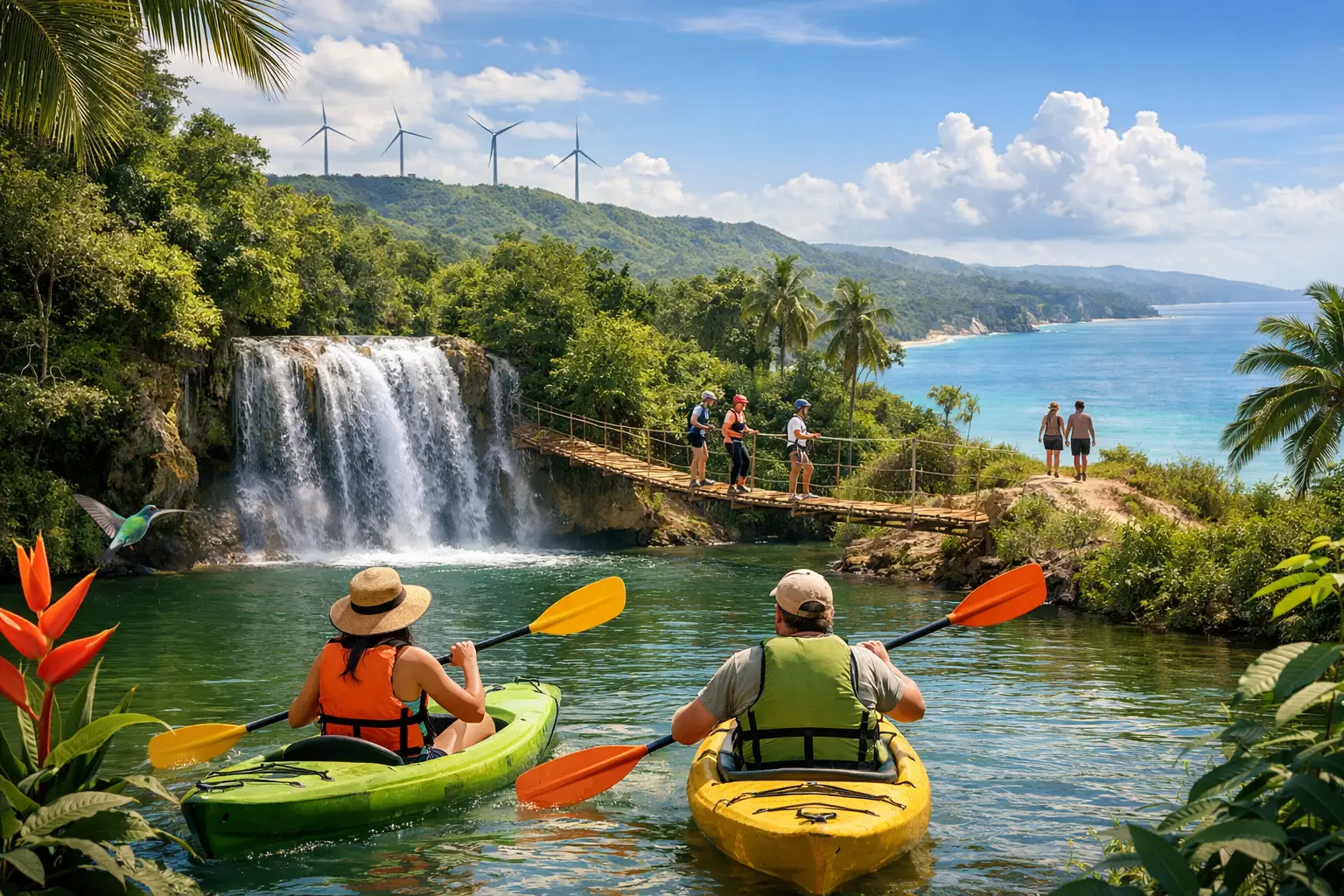
The difference between a great day trip and a disappointing one often comes down to what happens behind the scenes. A catamaran can look perfect in photos, and a jungle tour can promise “nature,” but sustainable excursions Dominican Republic travelers choose should do more than fill an itinerary. They should respect local communities, protect the places people came to see, and still feel easy, memorable, and worth the cost.
For many travelers, sustainability sounds like a bonus feature. In practice, it is often a smarter way to book. Tours that manage group size well, work with experienced local teams, and treat natural areas responsibly usually deliver a better guest experience too. You get less chaos, clearer logistics, and a stronger sense that your vacation money is supporting the destination rather than simply using it.
What makes sustainable excursions in the Dominican Republic different
A sustainable excursion is not just an activity that happens outdoors. It is an experience designed with a wider view of impact. That includes how transportation is handled, whether wildlife interactions are respectful, how waste is managed, and whether local people benefit in a real way from the tourism business around them.
In the Dominican Republic, this matters because the country offers exactly the kind of places that can be damaged by careless tourism – coral areas, mangroves, waterfalls, protected islands, rural communities, and coastal ecosystems that attract visitors year-round. A well-run excursion helps preserve those places while still giving travelers access to them. A poorly run one can overcrowd them, leave trash behind, pressure wildlife, or reduce cultural experiences to staged entertainment.
That does not mean every sustainable option has to feel rustic or overly serious. Many travelers want comfort, convenience, and reliable service. Those expectations are reasonable. Sustainability works best when it is part of a well-organized experience, not when it asks guests to accept confusion or lower standards.
How to spot better sustainable excursions Dominican Republic options
The easiest mistake is assuming that words like eco, green, or responsible automatically mean something. Sometimes they do. Sometimes they are just marketing. What matters is whether the operator can show clear signs of thoughtful planning.
Start with group size. Smaller or well-managed groups usually create less environmental pressure and give guests a more personal experience. They also tend to move more efficiently, which matters if you are visiting a natural site with limited access or a community-based attraction where large groups can feel intrusive.
Transportation is another useful clue. Long transfer days are sometimes unavoidable in a destination with diverse regions, but a good operator plans routes realistically and avoids unnecessary back-and-forth. Shared transport can be more efficient than multiple private vehicles, though private service may still be the right fit for families, couples, or travelers who want flexibility. This is one of those cases where it depends. Sustainability is not always about choosing the cheapest or most crowded option. Sometimes it is about choosing the format that reduces waste, avoids stress, and fits the trip well.
Pay attention to how the experience handles food, materials, and waste. Are disposable plastics minimized? Are meals sourced locally when possible? Does the tour seem built around reusable equipment and practical site rules, or does it rely on convenience items at every step? These details may sound small, but they often reveal whether sustainability is operational or just promotional.
The strongest sign is local connection. Excursions that work closely with Dominican guides, drivers, boat crews, and community partners usually create more meaningful travel days. They also keep more of the visitor economy in the destination itself.
The kinds of excursions that often offer the best balance
Not every activity has the same sustainability profile. Some are naturally easier to run responsibly than others. Nature-based tours with controlled access, cultural visits led by local experts, and small-group boat trips often offer a strong balance of enjoyment and lower impact.
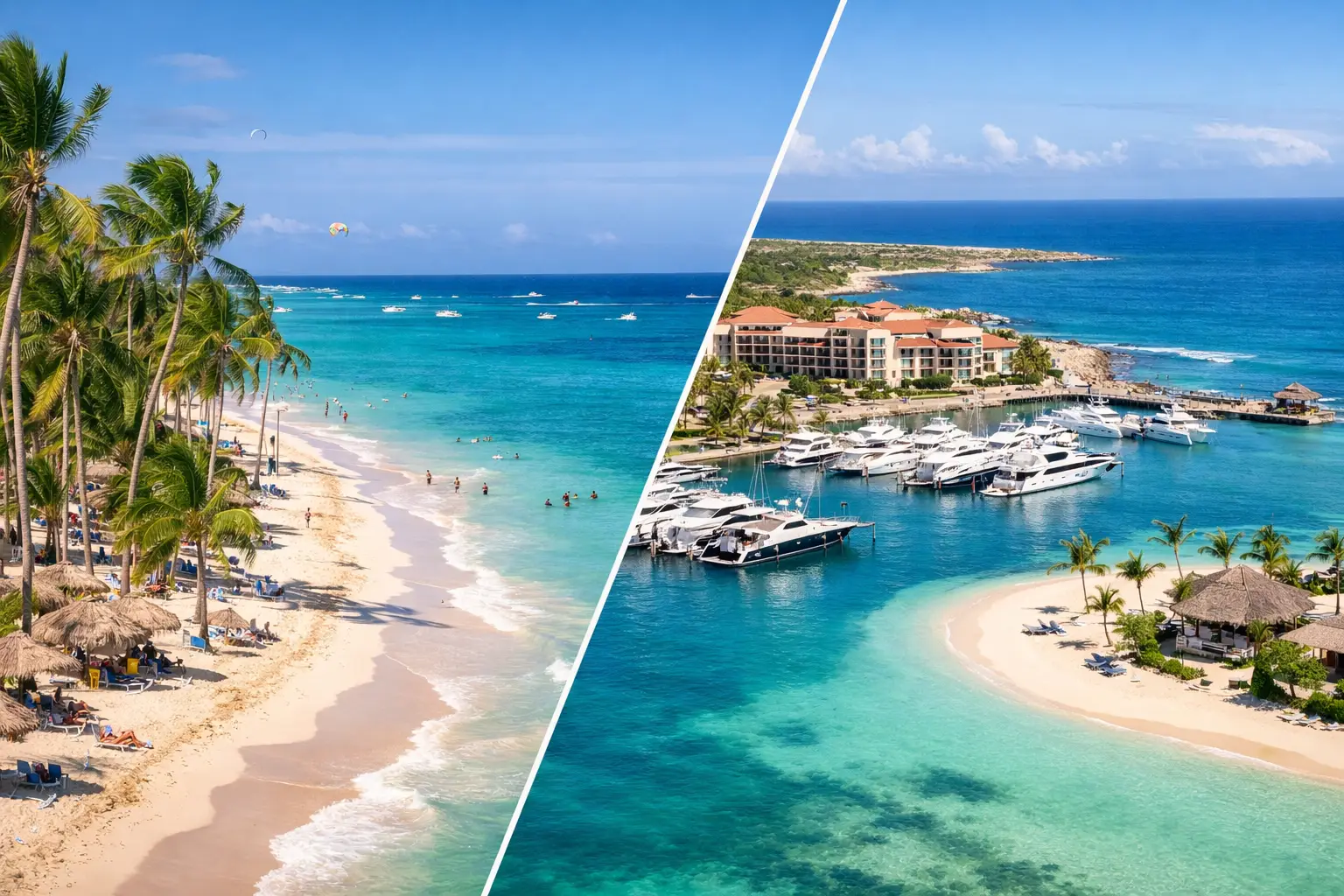
In areas such as Samana and Las Terrenas, excursions centered on coastal scenery, protected natural areas, and locally guided exploration can be excellent choices when they are managed carefully. The same is true around Punta Cana and Miches, where travelers often want beach and nature experiences without the heavy footprint of high-volume tourism.
Waterfall and mountain trips can also be strong options, especially when guides emphasize safety, site respect, and realistic pacing. The appeal is obvious – beautiful scenery, fresh water, and a break from the resort environment. The trade-off is that fragile natural areas need rules. If a tour appears to prioritize speed and volume over stewardship, that is usually a sign to keep looking.
Cultural excursions deserve more attention than they usually get. A well-designed visit focused on Dominican food, music, crafts, farming traditions, or everyday local life can be one of the most sustainable choices available. These experiences often require fewer built attractions and create more direct benefit for local people. They also give travelers something many standard tours do not: context.
Why wildlife experiences require extra care
Wildlife is where good intentions and poor decisions often collide. Many travelers understandably want memorable encounters with marine life, birds, or other native species. The problem is that wildlife tourism can become harmful very quickly when operators chase close contact, feed animals, or crowd sensitive habitats.
That is why the best sustainable excursions Dominican Republic visitors book tend to treat wildlife viewing as observation, not interaction. Responsible whale watching, for example, depends on seasonal timing, trained crews, safe distance practices, and respect for regulations. The experience can still be extraordinary without forcing a closer encounter than nature allows.
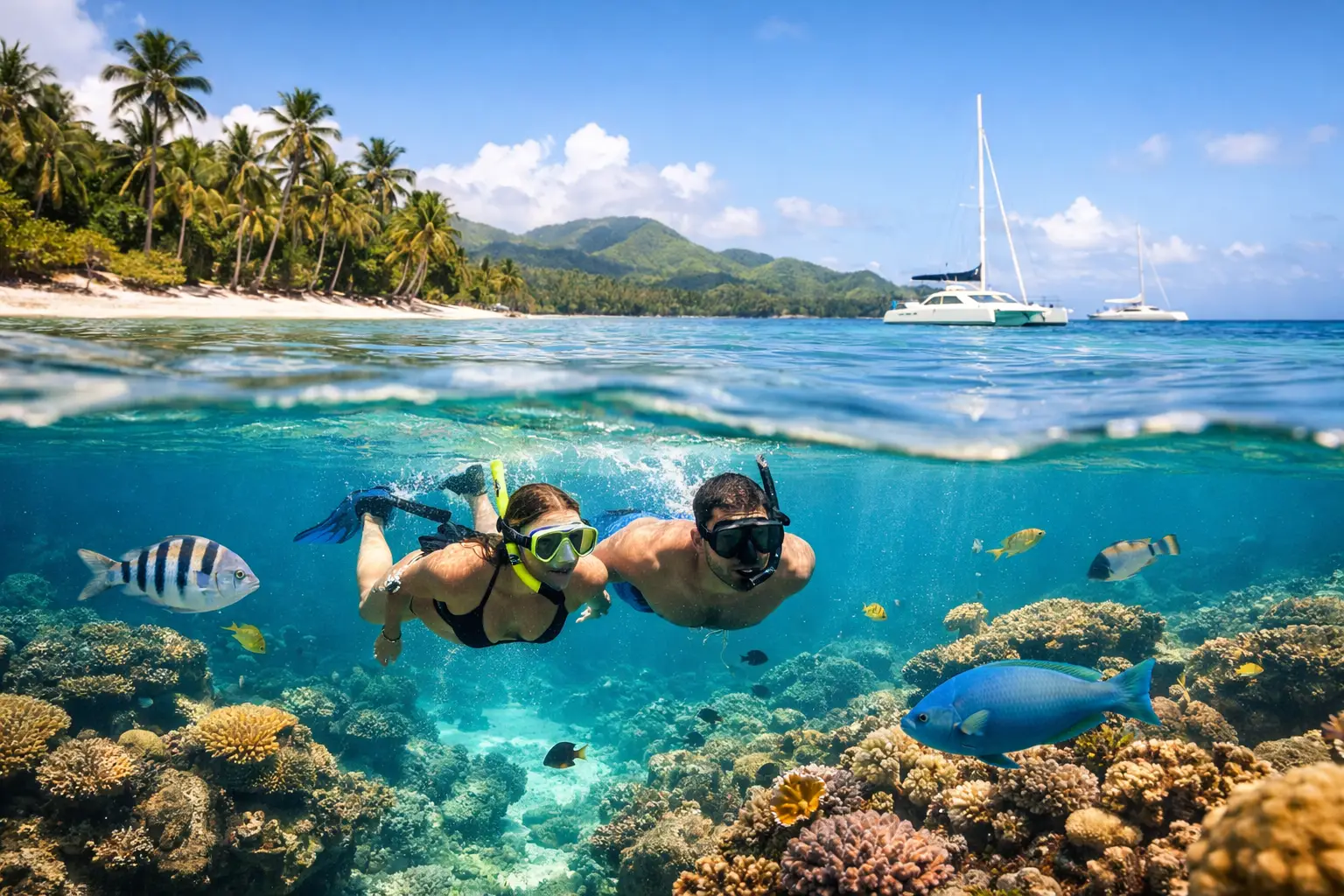
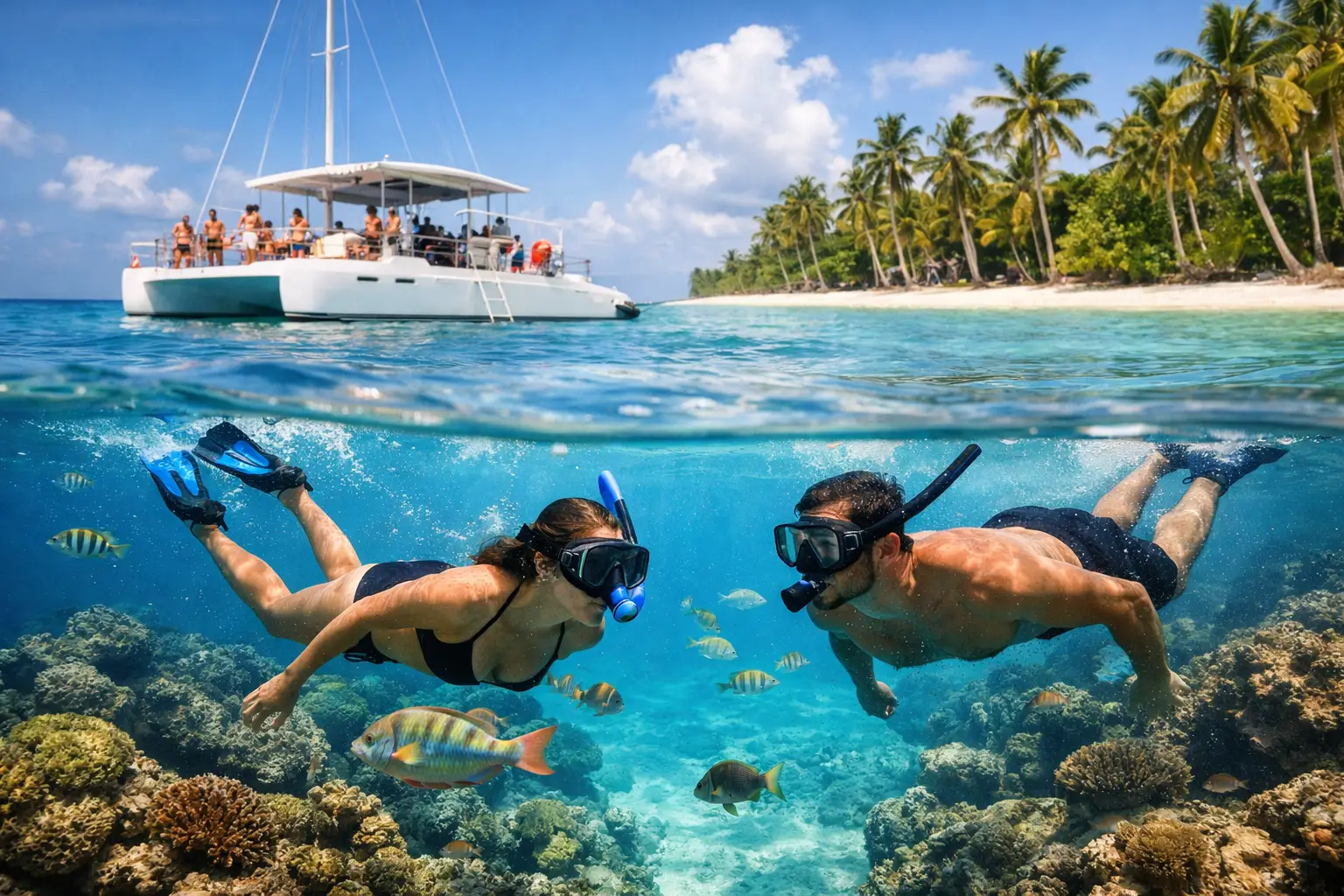
The same principle applies to marine settings. Snorkeling and boat excursions can be low-impact and unforgettable when guides brief guests properly, avoid damaging reefs, and discourage touching coral or disturbing sea life. If an excursion markets wildlife as a prop for photos, that is usually a red flag.
Sustainability also means a better travel experience
For travelers planning a vacation from the US or another international market, sustainability may not be the first filter. Convenience, safety, and quality usually come first. Fair enough. The good news is that these priorities often overlap.
Well-curated excursions are usually more dependable because they are planned with local conditions in mind. They account for travel time, weather patterns, guest comfort, and realistic site capacity. They are less likely to leave you waiting around in a crowded parking lot or wondering who is actually responsible for your transportation.
This is where working with a knowledgeable local partner matters. A company that knows the destination can help match the right excursion to the right traveler. Families may want lower-impact activities with easier logistics and fewer long transfers. Couples might prefer a private sailing or cultural day trip with more flexibility. Solo travelers often value safe coordination and a group dynamic that still feels personal. Sustainable planning is not one-size-fits-all. It works best when the experience is tailored.
Questions worth asking before you book
You do not need a long sustainability checklist to make a better decision. A few smart questions can tell you a lot. Ask how large the group typically is, whether local guides lead the experience, what kind of transportation is included, and how the excursion handles protected areas or wildlife. If the answers are vague, that tells you something too.
It is also worth asking what the day will really feel like. How much time is spent in transit? Are there rushed stops? Is lunch part of the local experience or just a generic add-on? Sustainable travel is not only about reducing harm. It is also about avoiding the hollow, mass-produced version of a place.
A trustworthy provider should be able to explain the practical side clearly. That includes pickup details, physical requirements, what to bring, and whether the excursion is a good fit for your travel style. At Adventures Finder, that local guidance is part of the value travelers rely on, especially when comparing options that may look similar online but feel very different in person.
Choosing with intention, not perfection
No excursion is impact-free. Boats use fuel. Roads get busy. Popular places attract crowds. Sustainable travel in the Dominican Republic is not about pretending tourism leaves no footprint. It is about making better choices within the reality of travel.
That means choosing operators who respect the destination, planning experiences that fit your group instead of overpacking the schedule, and valuing authenticity over volume. If a tour helps you understand the place, supports local people, and treats nature with care, it is already doing more than many standard offerings.
The best excursions should leave you with great memories and a sense that the destination was better served, not just consumed. That is a standard worth booking for.