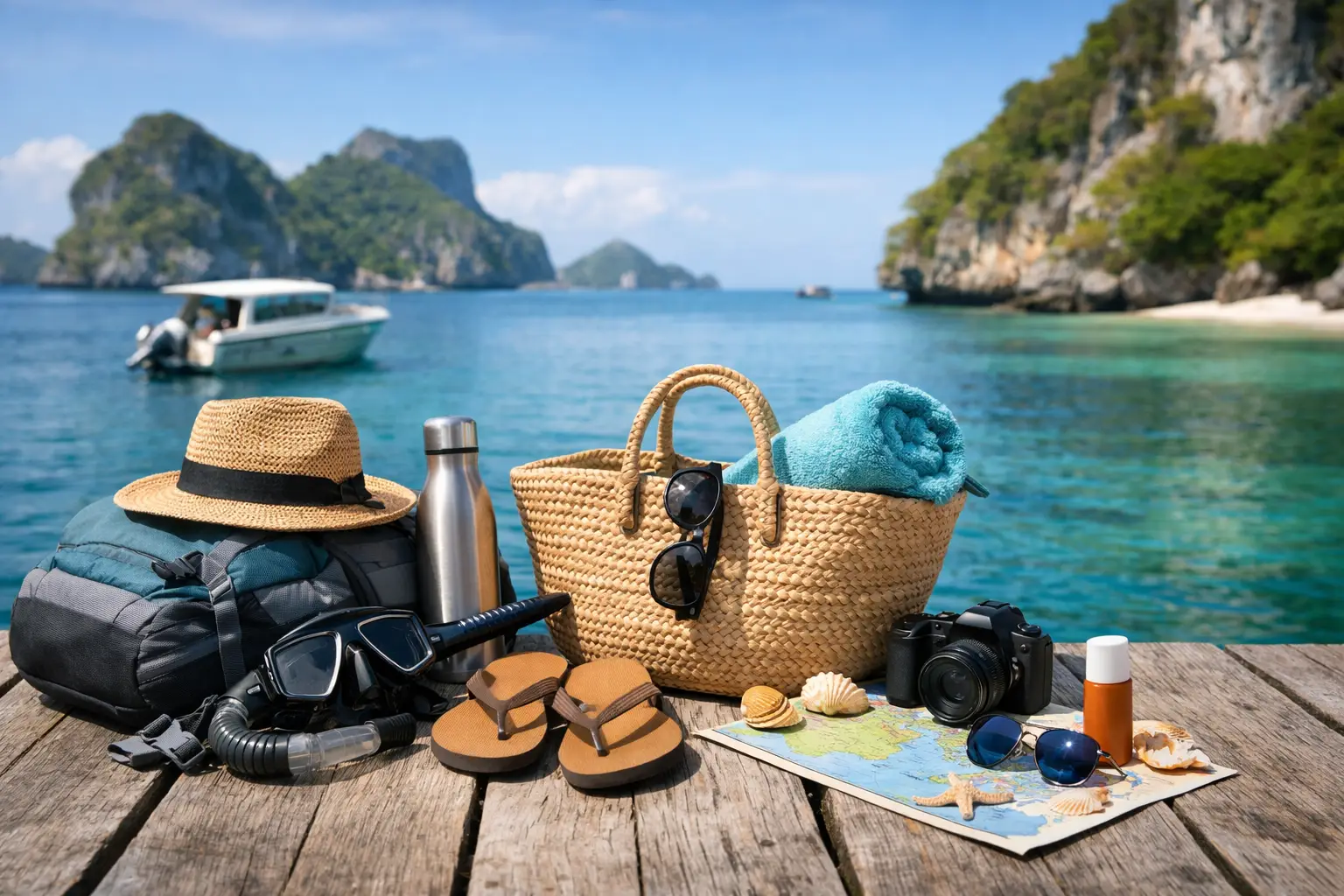
You feel it fastest on the dock – the sun is stronger than expected, the boat looks smaller than it did online, and suddenly that oversized suitcase seems like a mistake. If you are deciding what to pack for island hopping, the goal is not to bring more. It is to bring the right things for boat rides, beach stops, shifting weather, and long days away from your hotel.
Island hopping sounds relaxed, and often it is. But it also comes with very specific conditions. You may go from a transfer vehicle to a speedboat, from a dry beach to waist-deep water, and from bright midday sun to a breezy ride back to shore. Packing well makes the day smoother, more comfortable, and a lot more enjoyable.
What to pack for island hopping and why it matters
The best packing strategy is simple: think light, quick-drying, and easy to carry. Unlike a city day trip, island hopping usually gives you limited storage space and very little patience for bulky items. Soft bags work better than hard cases, and travel basics that can handle water and sand will serve you far better than anything delicate or heavy.
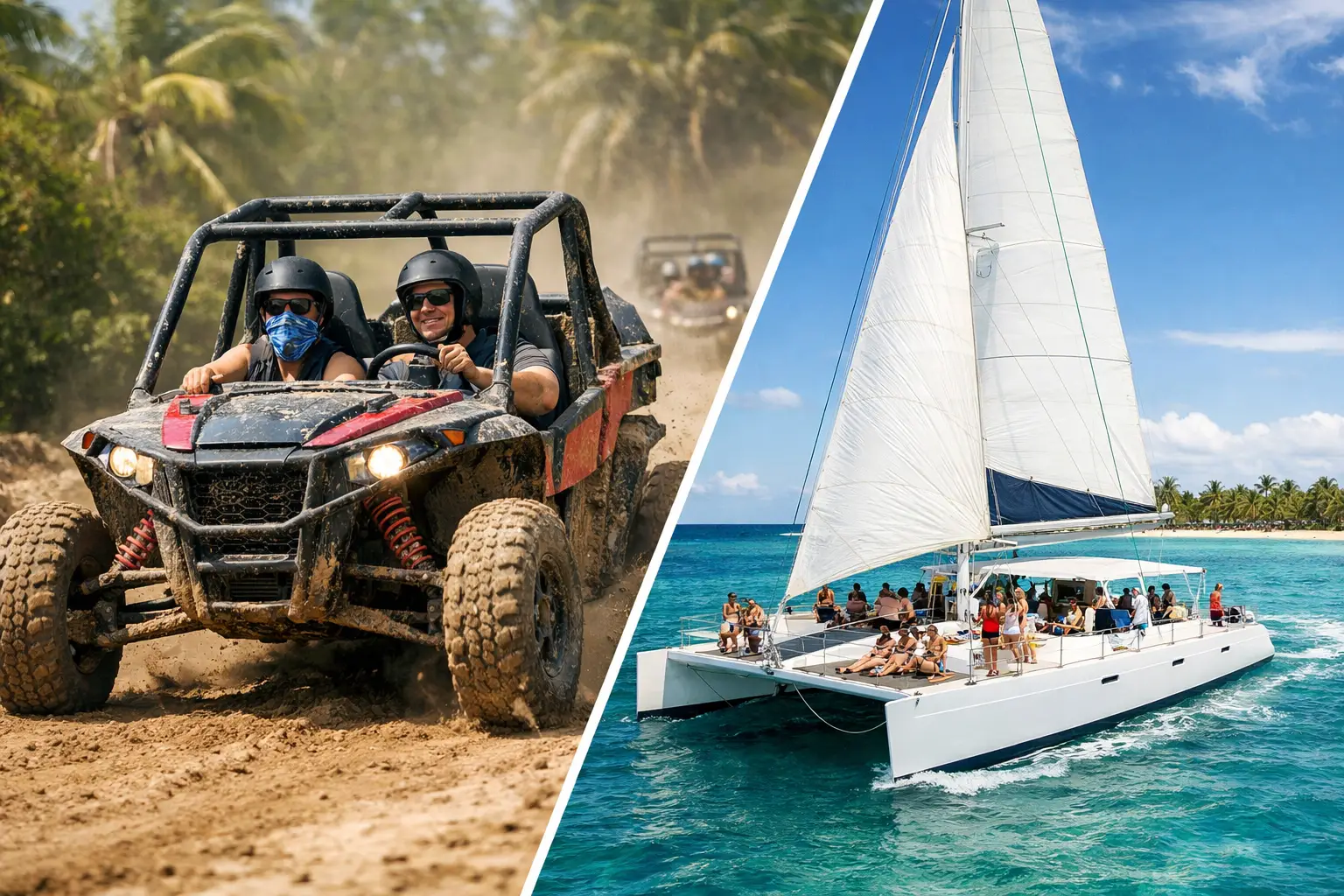
This matters even more if your day includes multiple stops. In places like Punta Cana or Samana, an island-hopping excursion can combine boat travel, swimming, snorkeling, beach time, and lunch in one itinerary. That means you are not packing for one setting. You are packing for several versions of the same day.
Start with the bag itself
A lightweight backpack or water-resistant beach bag is usually the smartest choice. It should be easy to carry on and off a boat, fit under a seat or at your feet, and hold a few essentials without becoming heavy. If you have a dry bag, even better. It helps protect your phone, wallet, and extra clothing from spray and sudden rain.
Try not to overpack just because you have room. Every extra item becomes something to keep track of when you are boarding, disembarking, or moving across sand. A compact setup is easier on you and everyone traveling with you.
Clothing for comfort, not photos alone
Swimwear is obvious, but it helps to think in layers. Wear your swimsuit under lightweight clothing so you are ready from the start. A breathable cover-up, athletic shirt, or loose button-down can make a huge difference when the sun is intense between stops.
Quick-dry fabrics are worth choosing over denim, thick cotton, or anything heavy once wet. If you plan to snorkel or swim more than once, some travelers like to bring a second swimsuit or at least dry undergarments for the ride back. That depends on your itinerary. For a short half-day trip, one suit is often enough. For a full day with lunch and a longer return transfer, a dry change of clothes can feel much better.
Footwear deserves more attention than people give it. Flip-flops are fine for the beach, but they are not always ideal on wet docks, rocky entry points, or slippery boat steps. Water shoes or secure sandals with grip are often the better option. If your tour includes nothing but soft sand and shallow water, keep it simple. If it includes boarding from uneven shorelines or walking across coral-strewn areas, choose function first.
Sun protection is not optional
One of the biggest packing mistakes for island hopping is underestimating sun exposure. On the water, sun reflects off every surface, and you are often exposed for hours at a time. Sunscreen is essential, and reef-safe options are the best choice when swimming in sensitive marine areas.
A hat with a secure fit is more useful than a floppy one that blows away on the first fast ride. Sunglasses with UV protection are just as important, ideally with a strap if you will be on a speedboat. A light long-sleeve layer can also help if you burn easily. Many travelers think of this as extra, then wish they had packed it by midday.
Do not rely on finding shade whenever you need it. Some boats have cover, some beaches have umbrellas, and some stops offer very little shelter at all. Pack as if shade will be limited.
The essentials that make the day easier
A small towel is worth bringing unless your excursion specifically includes one. Microfiber towels are especially practical because they dry quickly and do not take up much space. A reusable water bottle is another smart addition if allowed on your tour. Hydration matters more than people expect in hot coastal conditions.
You will also want a few practical personal items: lip balm with SPF, a travel-size hand sanitizer, tissues, and any medications you may need during the day. If you are prone to motion sickness, pack relief before you need it, not after the boat starts moving. Boat conditions vary with weather, season, and route, so even travelers who are usually fine may prefer to be prepared.
A waterproof phone pouch can be one of the most useful things in your bag. It protects against splashes and gives you easier access to your phone for photos, meeting points, or confirmation details. If photography matters to you, a compact waterproof camera or action camera may be worth bringing, but only if you are comfortable keeping track of it.
What to pack for island hopping with kids or as a family
Families need a slightly different plan. Children often need more frequent snacks, extra sun protection, and a dry change of clothes. If your tour allows it, pack a simple set of familiar snacks that will not melt or make a mess. Even on well-run excursions, meal timing may not line up perfectly with your child’s mood.
For younger kids, a rash guard, extra swimsuit, and child-sized flotation gear can be helpful, although some tours provide safety equipment. Check that in advance rather than assuming. If your child is sensitive to heat, bring more water and more shade support than you think you need.
Parents are often tempted to carry too much. The better approach is to bring the few items that solve real problems: sun, hunger, wet clothes, and comfort on the ride back.
What not to bring
The easiest way to pack well is to cut the items that create stress. Leave expensive jewelry in your hotel. Skip bulky electronics unless you truly plan to use them. A large wallet, too much cash, and unnecessary documents are also best left behind.
Heavy books, full-size toiletry bags, and multiple outfit changes usually become dead weight. So do shoes that cannot get wet but are too nice to leave in the sand. If you are asking whether something is practical for a boat, a beach, and saltwater spray, the answer should be yes before it goes in your bag.
A few things depend on your itinerary
Not every island-hopping day is the same. Some excursions are relaxed and beach-focused, while others are active and include snorkeling, natural pools, or several transfer points. That is why a little destination-specific planning helps.
If your trip includes snorkeling, ask whether gear is provided. If it is, you may still prefer to bring your own mask for fit and comfort. If your day includes a remote stop, you may want extra water and a few more personal essentials. If it is a premium or private outing, you may have more space and flexibility, but light packing is still the easiest option.
This is where working with a local expert helps. A well-organized provider can tell you what is included, how long you will be on the water, and what kind of footwear or gear makes sense for that specific route. That kind of detail can save you from packing too much or bringing the wrong things entirely.
Keep your packing practical and your day flexible
The best island-hopping setups are not complicated. You need sun protection, water-friendly clothing, secure footwear, a few personal essentials, and a bag that can handle movement and spray. Everything else should earn its place.
If you pack for comfort instead of just appearance, you will enjoy more of the day – the boat ride, the swim stops, the beach lunch, and the time between each one. A well-packed bag gives you one less thing to worry about, which is exactly how a day on the water should feel.