
A great beach resort can hide a lot of bad planning – until you are standing outside the airport, juggling bags, looking for your driver, and realizing your excursion starts at dawn on the other side of the region. That is why dominican republic vacation logistics matter more than many travelers expect. The difference between a relaxing trip and a frustrating one often comes down to timing, transportation, and choosing the right base for the kind of vacation you actually want.
For most travelers, the biggest mistake is treating the Dominican Republic like one single destination. It is not. Punta Cana, Santo Domingo, Samana, Las Terrenas, Puerto Plata, Cap Cana, Bavaro, and Miches all offer very different experiences, and moving between them takes real planning. If your hotel, airport, transfers, and excursions are not aligned, you can lose valuable vacation time in transit.
Why Dominican Republic vacation logistics shape your trip
The country is easy to enjoy, but not always easy to piece together on the fly. Resorts make arrival look effortless, yet many travelers still need to coordinate airport pickups, check-in windows, excursion departure times, dinner reservations, and return transfers. Add in family travel, golf tee times, or private day trips, and the schedule gets tight quickly.
The good news is that none of this is difficult when handled in the right order. Start with your arrival airport and hotel area, then build your activity plan around realistic driving times. That approach sounds simple, but it prevents the most common vacation planning issue in the Dominican Republic: booking great experiences that do not fit together well.
Start with the right airport and region
This is the decision that affects everything else. If you are staying in Punta Cana, Bavaro, or Cap Cana, flying into Punta Cana International Airport usually makes the most sense because transfer times are shorter and arrival feels easier after a long travel day. If your priority is beaches with a more laid-back feel and nature-heavy excursions, Samana or Las Terrenas may be a better fit, but only if you are comfortable with longer overland transfers depending on your flight route.
Santo Domingo works well for travelers who want culture, history, dining, and easier access to the capital, but it creates a different kind of trip than a resort-first beach stay. Puerto Plata suits travelers interested in the north coast, mixed adventure options, and a more varied town-and-beach rhythm. Miches is appealing for travelers who want a quieter, more emerging luxury feel, but it is not the place to choose if you want to be close to the largest concentration of excursions and nightlife.
This is where local planning helps. The cheapest flight is not always the best value if it adds three hours of transfer time each way.
Transfers are not a detail
Airport transportation is one of the most underestimated parts of dominican republic vacation logistics. After an international flight, travelers usually want one thing: a clear, direct ride to the hotel. Shared shuttles can be budget-friendly, but they often include multiple stops, which can stretch a short drive into a long one.
Private transfers cost more, but they buy predictability. That matters if you are arriving with children, golf clubs, a late landing time, or a same-day dinner or spa reservation. They also reduce the stress of figuring out transportation after arrival, especially for first-time visitors.
Round-trip planning is just as important. A transfer that gets you to the resort is only half the job. For departure day, build in extra time for traffic, hotel checkout, and airport processing. International travelers are usually more comfortable when their return ride is confirmed before the trip even begins.
Plan excursions around geography, not wishful thinking
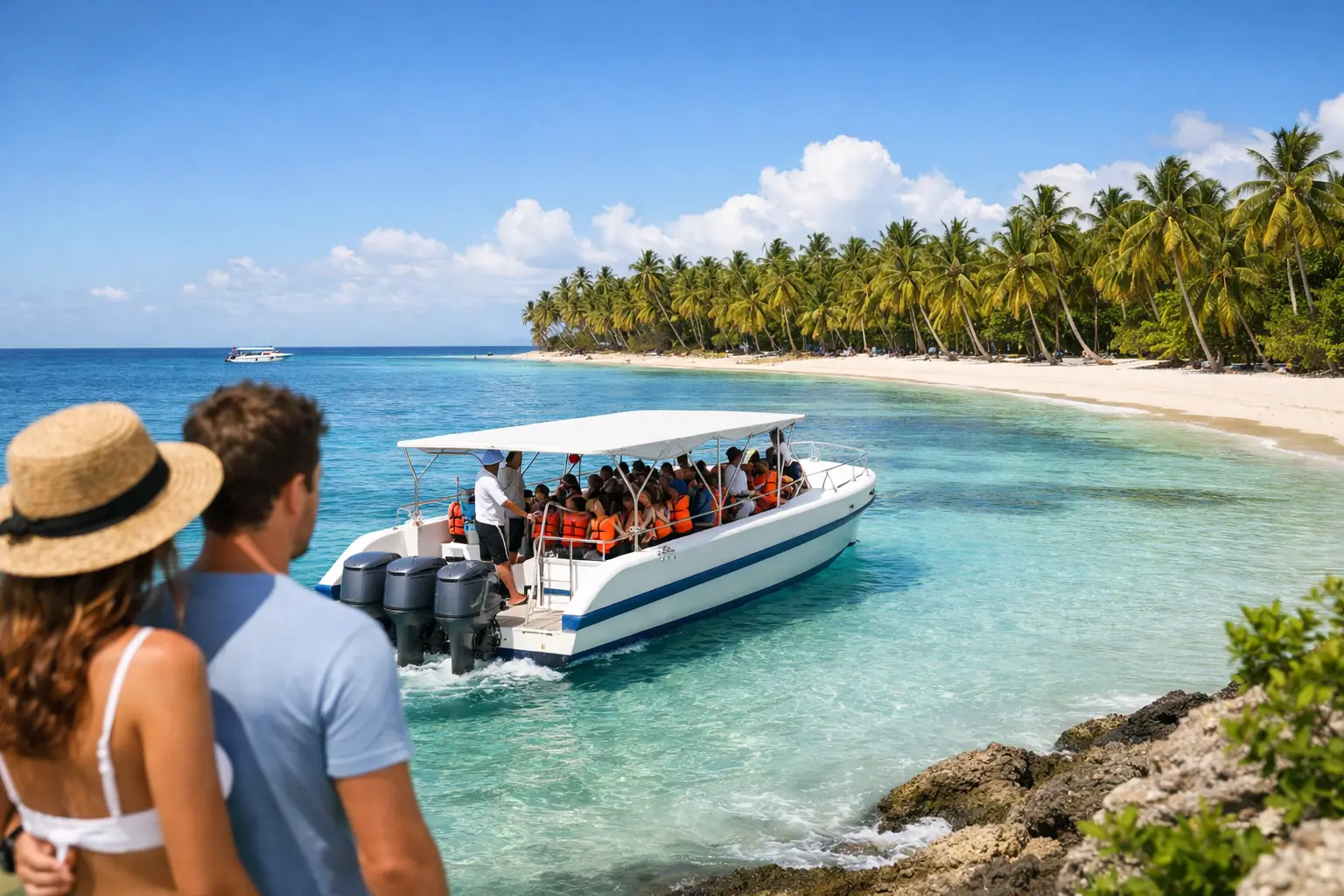
Travelers often see a list of great activities and start booking the most exciting ones first. That is understandable, but geography should come before enthusiasm. A catamaran trip, a cultural city visit, a zipline day, and a remote beach excursion may all sound perfect, yet not all of them make sense from the same hotel base within a short stay.
If you are in Punta Cana or Bavaro, focus first on excursions that depart nearby. Save long-distance experiences for longer vacations or for trips built around multiple nights in different regions. If you are staying in Samana or Las Terrenas, your strongest itinerary will usually lean into nature, beaches, and local exploration rather than trying to force in activities based far away.
There is also the issue of energy. A sunrise departure the morning after a late arrival is rarely a good idea, no matter how attractive the tour looks online. Give yourself one softer day at the start of the trip if possible. Travelers enjoy more when there is room to settle in.
Know how much structure you want
Some travelers want every airport transfer, excursion, and dinner move decided in advance. Others want a hotel booked and the rest left flexible. Neither approach is wrong, but each has trade-offs.
A fully planned schedule saves time and removes uncertainty. It works especially well for shorter stays, family vacations, group trips, and special occasions where timing matters. The drawback is that it leaves less room for weather changes or the simple reality that you may fall in love with your beach chair and want an unplanned free day.
A looser itinerary gives you freedom, but it can reduce availability for the most requested experiences, especially private tours, golf tee times, and premium transportation. In peak travel periods, waiting until arrival can leave you choosing from what is left rather than what fits best.
For many travelers, the sweet spot is to lock in the essentials first: flights, hotel, airport transfers, and one or two priority experiences. Then leave space around those anchors.
Money, timing, and practical expectations
The Dominican Republic is straightforward for visitors, but a few practical details make the trip smoother. Bring a mix of payment options. Many hotels and organized experiences accept cards, but small purchases, tips, or local stops are easier with cash. It is smart to have some flexibility rather than relying on a single card.
Weather also affects logistics more than people think. Tropical rain does not necessarily ruin a vacation, but it can shift excursion timing and road conditions. Build a little breathing room into your schedule if your trip includes outdoor activities. Trying to pack every day to the edge often backfires.
Travel time estimates should be treated realistically. A drive that looks manageable on a map can feel much longer when it is part of an airport day or paired with children, luggage, or a fixed excursion departure. This is one of the main reasons curated planning is so valuable. It turns travel time into a real decision factor instead of an afterthought.
Choosing the right stay for your plans
Hotel choice is not only about style or price. It should support your itinerary. If you want multiple excursions, golf, and dinner outings, location and transfer convenience matter more than travelers sometimes realize. A beautiful resort that is far from everything you want to do can make the vacation feel smaller, not bigger.
Couples often do best when they balance resort comfort with one or two experiences outside the property. Families usually benefit from reducing movement and choosing fewer, better-planned outings. Solo travelers often value flexible transportation and activities with dependable coordination. These are different travel styles, and the logistics should match them.
This is where a local travel partner can make a measurable difference. Companies like Adventures Finder help travelers line up airport transfers, hotels, excursions, and even golf in a way that fits the actual rhythm of the trip rather than treating each booking as a separate transaction.
The smartest way to build your trip
If you want your vacation to feel easy, plan in this order: choose the region, confirm the best airport, book the hotel, arrange transfers, then add activities based on proximity and pacing. It sounds basic, but this sequence prevents most of the friction travelers run into.
A four-night beach break in Punta Cana should not be planned the same way as a longer itinerary that mixes Santo Domingo with Samana, or a golf-focused stay in Cap Cana. The right logistics depend on your priorities. That is the point. Good planning is not about cramming in more. It is about making sure each part of the trip supports the rest.
When the transportation is clear, the timing makes sense, and the experiences fit your location, the Dominican Republic feels exactly as it should – warm, generous, and easy to enjoy. Give the logistics a little attention before you go, and the rest of the vacation has room to feel effortless.