A good team trip changes the way people work together after they get home. That is why a Punta Cana corporate retreat should be planned as more than a change of scenery. The best ones create time for strategy, give people room to connect naturally, and make logistics feel easy from the moment the group lands.
Punta Cana works especially well for companies that want warm weather, strong resort infrastructure, and activities that appeal to different personalities. Some teams want golf and private dinners. Others want catamaran outings, cultural excursions, or simply a well-run beachside setting where meetings feel less forced and more productive. The real advantage is flexibility.
Why a Punta Cana corporate retreat works
Not every destination fits every team. A retreat location has to do two jobs at once. It needs to support business goals, and it has to feel rewarding enough that people actually engage.
Punta Cana makes that balance easier. Flights from many US cities are relatively straightforward, resort options cover a wide range of budgets and styles, and the area is built to host groups without making every experience feel generic. That matters when you are planning for executives, managers, sales teams, remote employees, or a mix of all four.
There is also a practical side that planners appreciate quickly. Airport transfers can be coordinated efficiently, meeting-friendly resorts are easy to find, and group activities do not require long travel days once your team arrives. Less time in transit usually means more energy for the parts of the retreat that matter.
Start with the purpose, not the destination wishlist
Many retreats go off track because the planning starts with the fun parts. People discuss boat charters, welcome cocktails, and beachfront venues before answering a simpler question: what should this retreat accomplish?
For some companies, the goal is alignment. Leadership needs uninterrupted time to plan the next quarter, reset priorities, or discuss growth. For others, the priority is morale. A distributed team may need real face time, relaxed conversation, and experiences that build trust. Sometimes it is a mix of both, but the balance matters.
A Punta Cana corporate retreat for senior leadership will look different from a retreat for a high-performing sales team. One may need quiet meeting space, privacy, and polished dining. The other may benefit more from energetic group experiences and less structured downtime. Neither approach is better. It depends on who is traveling and what success looks like when the trip is over.
Choose the right setting for your group
Resort selection shapes the mood of the retreat more than most planners expect. A property that feels ideal for a couple’s getaway may not work well for a company group, especially if you need meeting rooms, private event options, and smooth group coordination.
For a retreat, convenience usually beats novelty. If the meeting space is far from the guest rooms, if dining requires complicated reservations, or if transportation between activities becomes a daily issue, the schedule starts to feel harder than it should. Teams notice that.
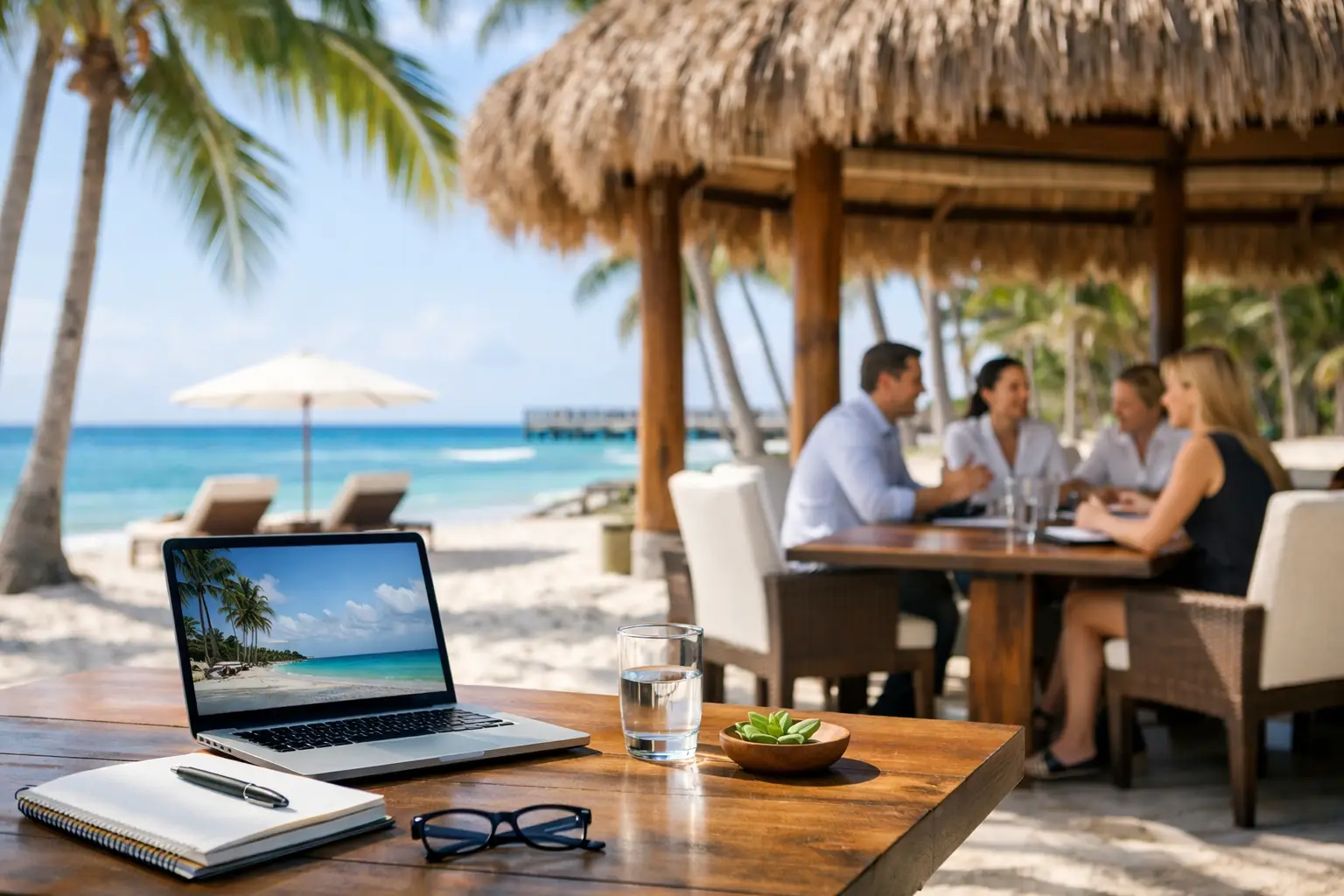
The best setup often includes a resort or hotel with comfortable shared spaces, reliable event support, and enough variety to satisfy different preferences. Some guests want spa time. Some want golf. Some want to sit by the pool after a morning session and talk informally with coworkers. That unplanned time is often where real connection happens.
Cap Cana can be a strong choice for groups looking for a more polished, upscale atmosphere, especially if golf or premium dining is part of the retreat plan. Bavaro often appeals to teams that want broad resort selection and easy access to activities. The right fit depends on the experience you want people to have between scheduled sessions.
Build an agenda people will actually enjoy
The fastest way to drain a retreat is to over-schedule it. If every hour is programmed, people stop feeling refreshed and start counting down to checkout.
A better approach is to create shape without forcing every moment. A productive retreat usually has a clear rhythm: focused meetings in the morning, lighter shared experiences in the afternoon, and relaxed social time in the evening. That format gives the business side enough structure while still allowing the destination to do its job.
If your company wants workshops or planning sessions, keep them concise and intentional. People are far more engaged in a 90-minute strategy block with a clear purpose than in half a day of presentations they could have watched at home. Retreat time is valuable, and attention spans get shorter when the ocean is visible.
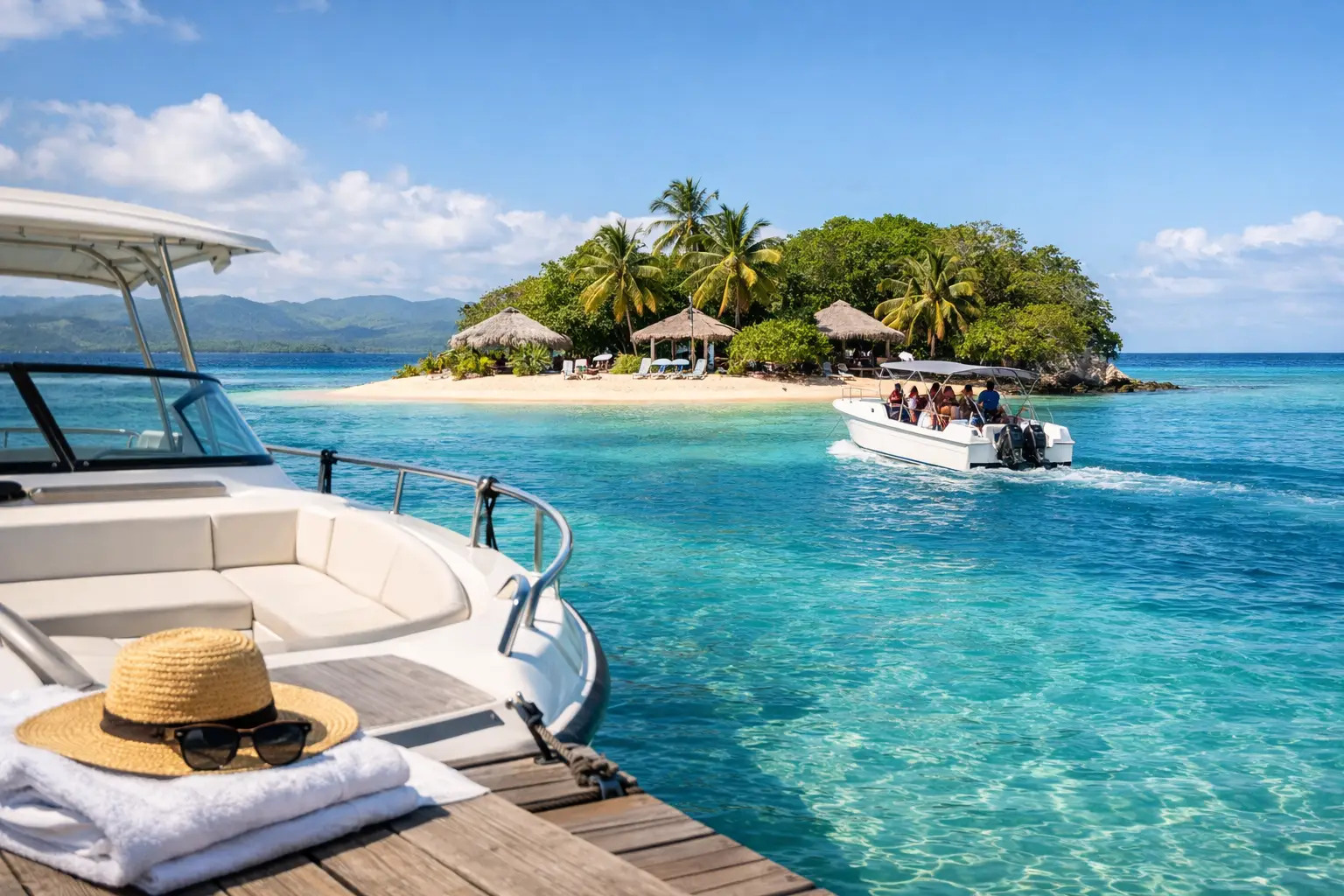
Then give the team something worth looking forward to. In Punta Cana, that might mean a private catamaran cruise, a championship golf outing, a beach dinner, or a guided excursion that shows a more local side of the region. Shared experiences work best when they are easy to join, not physically demanding for every guest, and coordinated well enough that no one has to solve problems on the spot.
Transportation is not a small detail
Group travel feels organized or disorganized almost immediately. Usually, that impression starts at the airport.
When arrivals are spread across different flights, private and well-managed airport transfers make a major difference. People do not want to negotiate transportation after a travel day, and they definitely do not want confusion about where to go, how long the ride will take, or whether the rest of the group has already left.
The same goes for off-site dinners, tours, and golf tee times. Transportation should feel invisible. If it runs late, if pickup points are unclear, or if the group is constantly waiting, frustration builds fast. This is one reason many companies prefer working with a local planning partner instead of stitching the retreat together from multiple providers.
Pick activities with broad appeal
A corporate retreat is not a friends’ trip. The plan needs to work for different energy levels, interests, and comfort zones.
That does not mean everything has to be bland. It means variety matters. Golf can be an excellent retreat activity because it offers relaxed networking and premium appeal, but it should not be the only standout option unless you know the whole group wants it. A catamaran outing has strong group energy, though some teams may prefer a quieter cultural or culinary experience. A private dinner on the beach can bring almost everyone together, especially after a day where guests had some freedom to choose their own pace.
The strongest programs usually mix one signature group experience with enough optional leisure time that people can personalize the trip a little. That balance respects both extroverts and introverts, and it helps the retreat feel thoughtful rather than one-size-fits-all.
Budget for comfort, not excess
Companies do not need the most expensive version of everything to create a successful retreat. What people remember is rarely the price tag. They remember whether the trip felt well considered.
It is often smarter to spend on the moments that remove friction or raise quality in a noticeable way. Reliable transfers, a good host property, one memorable group experience, and a strong final dinner usually matter more than adding luxury touches nobody asked for. On the other hand, cutting corners on logistics can make even a beautiful destination feel stressful.
If the budget is tighter, shorten the retreat rather than cramming a longer stay with too many compromises. Two well-run nights can do more for a team than four nights of scheduling problems and inconsistent service.
Local coordination makes a real difference
Planning from a distance is possible, but it comes with blind spots. Photos do not always show how long a transfer feels in traffic, whether an excursion is right for a mixed-age group, or which properties handle private events smoothly.
That is where local expertise matters. A company like Adventures Finder can help shape the trip around the group instead of forcing the group into a fixed package. That may mean pairing a resort stay with airport transfers, choosing excursions that fit your schedule, or building in golf and private activities without making the itinerary feel crowded.
Good coordination is not just about booking. It is about knowing where flexibility is helpful and where structure is non-negotiable.
What companies often get wrong
The most common mistake is treating the retreat like a reward trip with a conference attached. If the business purpose is too vague, the meetings feel unnecessary. If the schedule is too heavy, the destination gets wasted.
Another mistake is assuming all group members want the same experience. They do not. Some will want adventure. Some will want rest. Some will value the chance to have one meaningful conversation with a coworker they only know from video calls. A retreat should leave room for all of that.
And finally, planners sometimes underestimate how much execution shapes perception. The beach may be beautiful, but if the transfers are messy and the dinner reservations are confused, people talk about the confusion, not the view.
The best Punta Cana retreats feel easy for the guests because somebody put real thought into the details. If you plan around your team’s goals, choose the setting carefully, and keep the experience balanced, the trip can do what a retreat is supposed to do – bring people back more connected, more focused, and genuinely glad they came.